 ISITMAX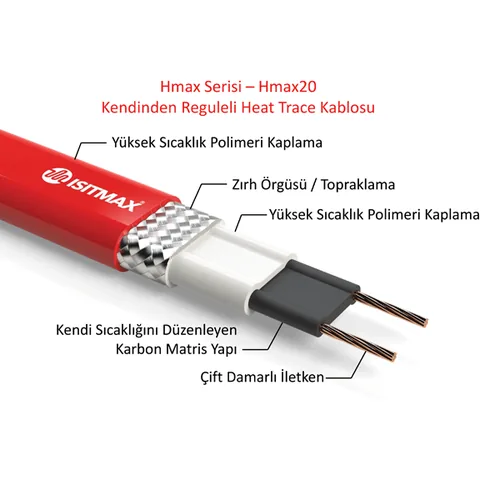
Pipe & Tank Heat Tracing
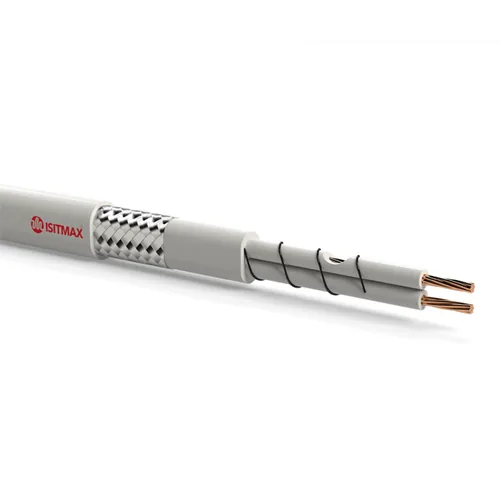
HMax Series Self-Regulating Heat Trace Cable
HMax is a self-regulating heating cable made to prevent pipelines freezing.
from €45 $50View product →
In plants, heating is installed for one of three reasons: something freezes, something loses its flow, or something has to stay at a set temperature. Which product you need is decided not by the equipment but by which of these three problems you have.
HMax is a self-regulating heating cable made to prevent pipelines freezing.
SMax is a constant-wattage pipe heating cable made to prevent pipelines from freezing and to hold the liquid at its working temper
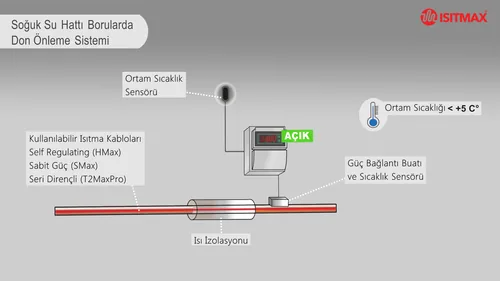
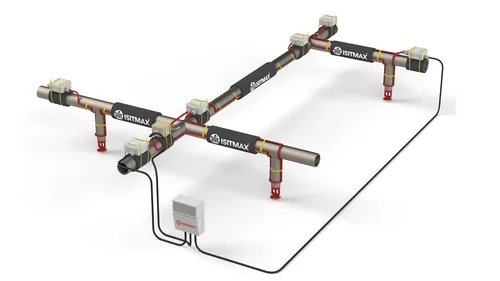
A pipeline frost protection system keeps a line working through the winter by running a heating cable along the outside of the pip
Sprinkler line frost protection cable is a self-regulating heating cable that stops the water inside fire-fighting pipes from free
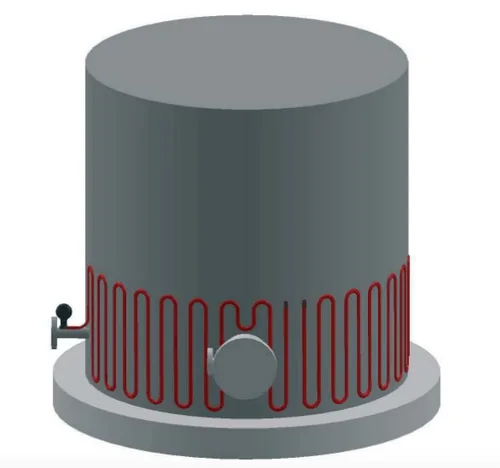
Industrial tank heat tracing is a heating cable system wrapped around the body of storage and process tanks: it prevents the liqui
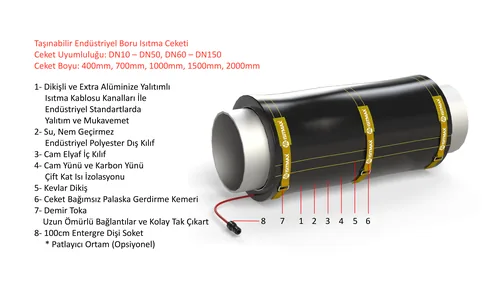
A heated pipe jacket is a sleeve slipped over a process pipe from the outside that both insulates and heats, closes with clasps an
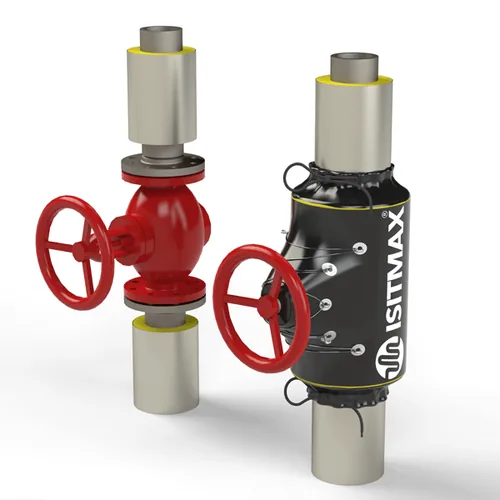
A heated flange and valve jacket is a removable insulating jacket that wraps and heats the point on a pipeline that freezes first
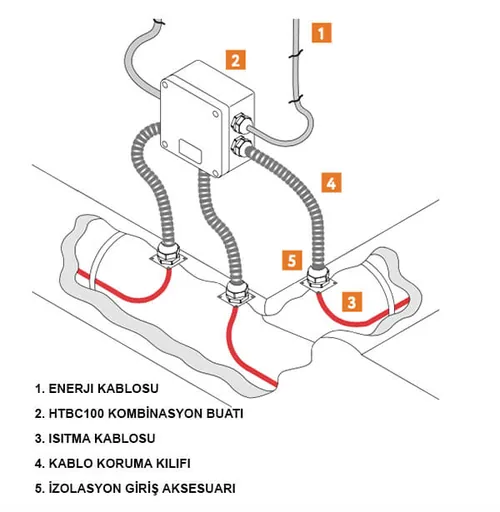
A heat trace junction box is the point, exposed to outdoor conditions, where the heating cable is connected to the supply.
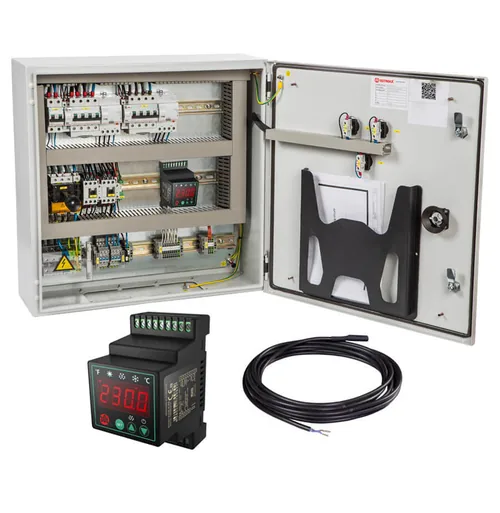
A heating control panel starts and stops the heating cable automatically according to weather and surface conditions.
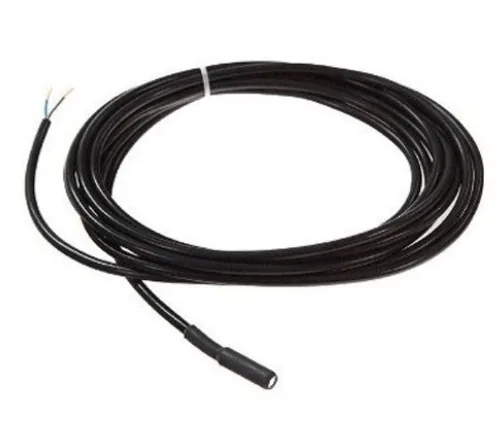
A heating system temperature sensor is the component that passes the measured temperature to the thermostat.
Pipe heating comes in two kinds. Frost protection keeps a fluid from freezing — the target is usually around +5 °C, power is low and the system runs seasonally. Process heating keeps a fluid at, or brings it to, a set temperature — viscosity, crystallisation and condensation belong here, power is higher and the system runs continuously. Cable selection starts with this distinction.
In both cases the cable is laid along the pipe and covered with insulation. On valves and flanges — points that are opened often and lose the most heat — a removable valve and flange heating jacket is used instead.
| Series | Application | Range | Type |
|---|---|---|---|
| TMax | Frost protection on straight, measured runs | −40 °C to +85 °C | Series-resistance cable |
| TMaxPro | Frost protection outdoors and in harsh conditions | −40 °C to +85 °C | Reinforced series-resistance cable |
| HMax | Complex geometry, long runs, around valves | −40 °C to +85 °C | Self-regulating heating cable |
| SMax | Process heating, measured industrial lines | −40 °C to +85 °C | Constant-wattage heating cable |
| Imported Ex cable | Hazardous areas — Ex zones, ATEX | Per project | ATEX-certified cable |
| FlexMax | Drum, IBC, pipe and valve jackets | 30–150 °C | Removable heating jacket |
Self-regulating cable adjusts its own output to temperature: more heat at cold spots, less at warm ones, so overlapping runs do not overheat — preferred for complex geometry and long lines. Constant-wattage cable gives a fixed output per metre and is easy to calculate. Neither replaces the thermostat, residual current protection and correct earthing.
Heating jackets are made in our own workshops; heat tracing cables are sourced from selected manufacturers, with warranty and technical responsibility staying with us.
No steam line needed. Steam and hot-water tracing need a boiler, lines, condensate traps and a return. Electric tracing needs none of these; the cable goes on the equipment. If a working steam line already exists, steam is an option — building one for tracing is the most expensive route.
Heat only where it is needed. Electric tracing generates heat where it is used, with no transport losses, and a single valve or tank can be heated without running the whole plant.
Control at the thermostat. A digital thermostat and sensor hold the target; precise processes use PT100 sensors. The sensor sits between cable and wall and reads the surface, not the content — for exact product temperature add an immersion sensor, and keep the sensor away from the wind- and sun-exposed side.
Low maintenance, not zero. Before each season check insulation integrity, junction boxes, earthing and the sensor, and measure the cable's insulation resistance. Most faults come from damaged insulation and wet connections, not from the cable itself.
Cable without insulation does not work: most of the heat goes to the surroundings, the system runs constantly, never reaches its target and the bill is far above expectation. For keeping warm, installed power alone says little about cost — because the system runs under thermostat control, the real question is how many hours a day it is on, and insulation decides that.
Planning a line? Start with the pipe diameter, the fluid, the target and the lowest ambient temperature; we calculate W/m and metres with you.
For drums and IBC totes, see drum and IBC heating methods.
Selected customers: Cargill, SASA Polyester, Tosyalı Holding, Eczacıbaşı ESAN, EGGER, Belgin Lubricants, Döhler, Klimasan, Yılport, UZMAR Shipbuilding.
Equipment, fluid, target temperature and lowest ambient temperature — with these we propose the cable, power and metres the same day.